Grunge Soccer Ball Vector Set: A Designer’s Real-Use Review
When I first opened the Grunge Soccer Ball Vector Set, I felt a familiar spark—the kind that hits when a design immediately suggests a project, not just a file. The mood is straightforward: raw, bold, and slightly rebellious. The soccer ball itself isn’t pristine or polished. Instead, it carries a distressed texture, fractured edges, and a visual weight that reads more like a vintage badge than a crisp sports emblem. For anyone who stitches embroidery on apparel, home goods, or accessories, this grunge approach changes the game. It softens the need for perfect registration and opens up creative doors for worn-in, story-rich products.
I mentally placed this design on a tote bag first. A heavy canvas shopper, maybe in oatmeal or charcoal—the contrast would be striking. The grunge effect means tiny thread breaks or slight density shifts could actually enhance the aesthetic, rather than sabotaging it. That’s a huge relief for small-batch production work. Too often, embroidery designs with hyper-clean lines demand flawless execution, leaving no room for the organic texture of fabric and thread. This set feels forgiving, almost purposeful in its imperfection.
Visual Mood and Emotional Pull of the Grunge Style
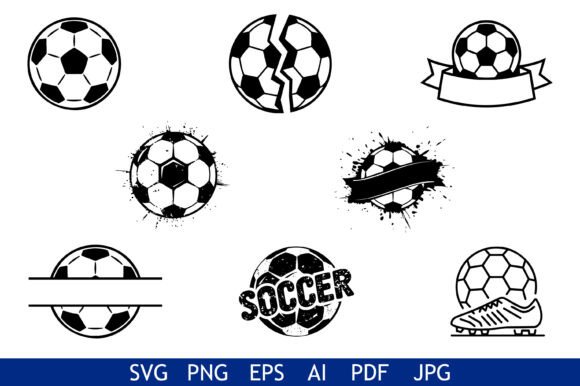
The grunge treatment isn’t overdone. It has a controlled chaos—enough grit to feel authentic, but not so much that the ball itself becomes unrecognizable. The shape remains distinctly a soccer ball, with subtle paneling and a central emblem-like composition. The banner element adds a layer of utility, letting you incorporate text or a team name without additional layout work. From a design perspective, this balance is critical. In machine embroidery, you need the core subject to survive the transition from vector art to stitch file. The grunge texture here will likely translate into a mix of satin and fill stitches, with some intentional gaps that mimic the distressed look without requiring complex shading.
For embroidery designers, this visual personality narrows the target audience but deepens the product appeal. This isn’t for a pristine, corporate logo. It’s for a handmade shop, a craft business, or a personalized gift that wants to feel lived-in and authentic. I can see it on a hoodie for a teenager who loves retro soccer vibes, or on a pillow cover for a sport-themed nursery. The mood is casual, friendly, and unpretentious. That emotional pull often translates directly into buyer engagement, especially on Etsy or at craft fairs where storytelling matters as much as the product itself.
A Real-Life Scenario: Custom Embroidered Sweatshirt Project
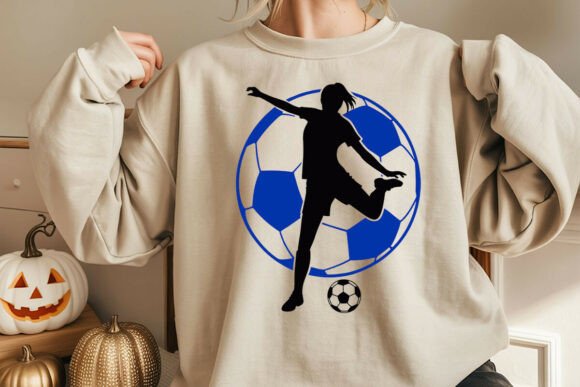
Let me walk you through a practical example. I’m currently prepping a batch of embroidered sweatshirts for a local youth soccer club’s end-of-season celebration. The parents want something cool, not cute. They asked for a design that feels like a modern band tee, with a bit of edge. The Grunge Soccer Ball Vector Set immediately came to mind. I’m planning to digitize the design at about 4×4 inches, using a dark gray sweatshirt as the base and a slightly off-white thread for the ball. The grunge factor means I can use a running stitch for the distressed marks and a light fill for the main body, avoiding overly dense areas that would stiffen the fabric.
After digitizing, I’ll run a test stitch-out on a scrap of the same fleece. The key is to watch how the loose, grunge lines interact with the fabric’s nap. On a fluffy surface, the distressed edges might get swallowed, so I’ll need to adjust the stitch angle or use a slightly thicker thread. I’ll also check the banner area—if the club name gets added, the lettering must be legible, but the grunge treatment around it can stay. This kind of custom apparel project is where the design truly earns its keep. It’s not just a graphic; it’s a finished product waiting to happen.
Tote Bags and Daily-Use Items
Beyond sweatshirts, I’m also eyeing this set for a run of canvas tote bags. The flat, sturdy surface of a tote bag is ideal for the grunge embroidery. The design can be placed centrally, with the distressed texture acting as a subtle, all-over visual interest. For a craft business, totes are a low-risk, high-reward item. They sell quickly at markets, make excellent personalized gifts, and the stitch time is manageable. With the vector files—SVG, EPS, AI—I can easily resize the artwork for different bag dimensions without losing quality. The editable formats are a bonus for adding a shop name or a short slogan inside the banner, which boosts brand consistency without extra design fees.
Caps and Curved Surfaces
I’m a bit more cautious when it comes to caps. The grunge soccer ball, with its scattered distress marks, could lose clarity on a curved, structured surface. The smaller hoop size needed for caps often demands a simplified design. If you’re set on using this look for a hat, I’d recommend scaling it down and testing the stitch density on a firm stabilizer first. The banner element might need to be removed or repositioned to avoid distortion over the seam. It’s not impossible, but it requires a thoughtful approach. For an embroidered patch, however, the design would be exceptional—stitched on a separate piece of fabric and then sewn onto the cap. That method preserves the grunge detail and adds a premium, layered feel to the finished product.
Where the Design Should Be Used Carefully
No design is universal, and the Grunge Soccer Ball Vector Set has its limits. Small hoop sizes—like those on 4×4 frames—will compress the distressed elements to the point of illegibility. The beauty of the grunge lies in its spread, so I’d reserve this for projects with at least a 5×7 inch stitch area. Textured fabrics like terry cloth or heavily ribbed knits can amplify the distressed look into a messy, undefined blob. On thin fabrics, such as lightweight t-shirts, the dense fill areas might cause puckering, so you’ll need a cut-away stabilizer and a lighter stitch density. Dark fabrics are your friend here; the grunge effect pops against black or charcoal, but on white or pastel backgrounds, the distress might look muddy rather than intentional.
Stretchy fabrics, like performance wear, pose another challenge. The design’s irregular edges and fill stitches can warp during wear. If you’re using it on baby clothes or a nursery item, consider a soft, low-density digitizing approach and a water-soluble topping to keep the stitches clean. Frequent washing is another factor—the grunge texture, with its many small stitch paths, could snag or fray over time. For a holiday gift or a keepsake, this is fine; the worn look adds character. But for a commercial embroidery project that demands durability, you might want to reinforce the digitizing or limit the design to low-abrasion zones.
Visual Impact on Product Value and Customer Trust
When a customer receives a handmade product with this design, the first impression is tactile. The grunge embroidery feels intentional, like a vintage find rather than a new piece. This lifts the perceived value. A simple tote bag becomes a boutique item; a sweatshirt turns into a statement piece. For Etsy sellers, that translates to higher listing appeal and better reviews. The design’s authenticity helps build customer trust—it doesn’t look mass-produced. In a sea of polished, generic vector graphics, the grunge soccer ball stands out precisely because it embraces imperfection. That’s a powerful branding tool for any creative entrepreneur.
I’ve also found that the design works well in digital mockups and printable previews. The vector formats—PNG transparent, JPEG, PDF—make it easy to create realistic product listings without stitching a single sample. For a small shop owner, this speeds up the launch process. You can test color variations, placement, and background textures in software before committing to thread and fabric. The editable files in AI and EPS are especially useful for composite designs, where you might layer the soccer ball with other sports elements or typography.
Practical Embroidery Designer Notes
Before you commit this design to a client project or a product line, run through a few hands-on checks. I always start with a scrap fabric test, mirroring the actual material I’ll use. Here’s a list of my go-to steps:
- Thread color contrast: The grunge effect relies on subtle tonal shifts. If your thread color blends too closely with the fabric, the distress marks disappear. Test on light and dark swatches.
- Stitch density review: After digitizing, inspect the stitch-out. Overly dense fills will make the fabric stiff and reduce the worn-in feel. A lighter density often works better.
- Hoop size confirmation: Measure the final design. For a standard 5×7 hoop, ensure the design fits with enough clearance for the stabilizer. Smaller hoops will require a simplified version.
- Stabilizer pairing: For heavy fabrics, a cut-away stabilizer is best. For lighter fabrics, a tear-away with a topping might be needed. The grunge texture can hide some stabilizer issues, but not all.
- Black and white mockup test: Print the design in black and white to see if the shape holds up. If the soccer ball becomes a shapeless cloud, it needs more defined edges.
- Licensing clarity: The description mentions editable files and multiple formats, but it doesn’t specify commercial use terms. Before selling finished items or digital products, confirm the license. This is crucial for any embroidery file or design asset you plan to use in a craft business.
Remember, the vector set itself is a graphic, not a ready-to-stitch embroidery file. You’ll need to digitize it, or have it digitized, for machine embroidery. The SVG, EPS, and AI formats are perfect for this task—they scale cleanly and allow you to import into digitizing software. Once digitized, you can create a embroidery file that balances the grunge aesthetic with functional stitch types. Pay attention to the banner area; if you add text, ensure the lettering is at least 6mm high to avoid thread breaks.
Long-Term Durability and Giftability
For seasonal products like holiday embroidery or baby embroidery, the design holds up well. A baby blanket with a small grunge soccer ball in the corner feels playful and modern. The distress marks won’t show wear as quickly as a solid fill, making it a smart choice for items that get washed often. On the other hand, for a wedding gift or a luxury item, the grunge style might feel too casual. It’s a matter of context. The design’s strength is its versatility within a specific niche—sports-themed, vintage-inspired, or streetwear-influenced products.
From a handmade product perspective, the Grunge Soccer Ball Vector Set adds a layer of professionalism to your offerings. It signals that you’ve thought about the design’s aesthetic potential, not just its technical execution. For an Etsy seller, using this in a listing can attract buyers looking for something beyond the basic, clean-cut sports graphics. It’s a conversation starter, and that’s often what pushes a listing from a favorite to a purchase.
Final Notes on the Grunge Soccer Ball Vector Set
If you’re a digital product seller or a designer building a library of design assets for crafts and graphics, this set is a solid addition. The editable files give you flexibility, and the grunge treatment is on-trend without being fleeting. For embroidery specifically, it’s a design that rewards a bit of experimentation. Test it on a scrap tote, a sweatshirt, or a patch, and you’ll quickly see where it fits in your product line. The key is to embrace its rough edges, plan your stitch-out carefully, and always check the small details before offering it as a finished product. The Grunge Soccer Ball Vector Set won’t be right for every project, but for the ones that need a touch of attitude, it’s a design that genuinely delivers.