When a Soccer Ball Heart Vector Art Wins Over a Skeptic
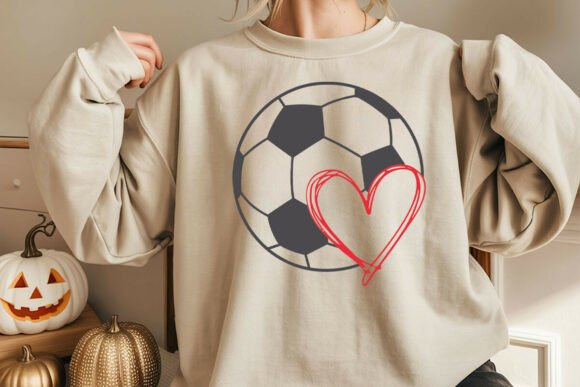
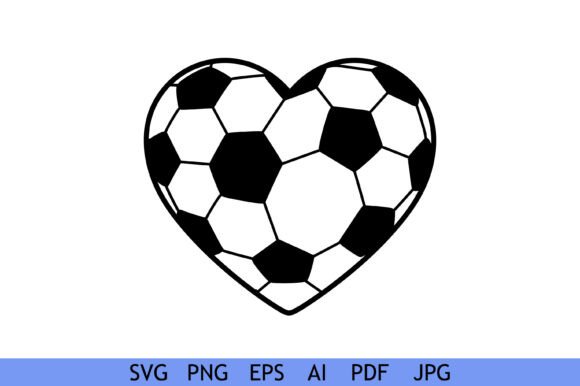
I have reviewed hundreds of embroidery designs over the years, and I will be honest: the moment I read the title Soccer Ball Heart Vector Art, I expected a cliché. You know the type. Forced, overly cute, and visually messy. But the preview surprised me. The design takes the familiar pentagon-patch pattern of a classic soccer ball and shapes it into a clean heart silhouette. It is not overly fussy. It does not try to scream for attention. The visual balance feels intentional, leaving room for the stitching itself to do the heavy lifting in a finished project. That restraint is exactly what I look for when I plan a design for real embroidery work, whether it ends up on a toddler sweatshirt, a canvas tote, or a custom patch for a youth soccer team.
The mood sits somewhere between sporty and sentimental without tipping too far into either direction. The heart shape softens the bold geometry of football panel lines, making it versatile enough for Valentine's gifts, fan apparel, nursery decor, or even wedding favors where the couple met through soccer. For crafters, Soccer Ball Heart Vector Art offers a rare combination: a theme-specific design that does not alienate people who are not die-hard sports fans. That broad appeal matters when you sell handmade products and need your inventory to speak to a wider audience.
First impressions matter more when you know the fabric will test them
When I opened the file set, I immediately thought about how the design would translate onto a soft cotton sweatshirt. A client recently asked me to create a custom embroidered pullover for her daughter, who plays goalkeeper and wanted something subtle on the chest. My mind cycled through the usual suspects: a bold soccer ball, a motivational quote, a glittery number. None of those felt right. Then I saw Soccer Ball Heart Vector Art and something clicked. The heart softened the sporty edge enough to feel personal, while the familiar ball pattern kept it rooted in the game. That is the kind of design that makes a handmade gift feel thoughtful rather than generic.
The layout is compact and symmetrical, which usually means fewer headaches during hooping. The real test, of course, is how the stitch file behaves once you load it into your embroidery software. The design description mentions the available formats: SVG, PDF, JPEG, PNG Transparent, EPS Editable file, and AI Editable file. For machine embroidery, you will need to convert the vector or raster file into a proper embroidery file format like PES, DST, or EXP. The presence of editable vector files is a strong sign. It means you can resize, recolor, or simplify the design before digitizing, which is a major advantage when you need to adapt the art for different hoop sizes and fabric types.
Where this design truly belongs on a finished product
I could see Soccer Ball Heart Vector Art working beautifully on a range of handmade items. The clean silhouette and recognizable pattern make it a natural fit for:
- Custom apparel: crewneck sweatshirts, hoodies, and t-shirts, especially for kids and teens who play soccer
- Tote bags and canvas pouches: a subtle statement piece for everyday carry
- Baby onesies and toddler tees: the heart shape softens the design enough for nursery projects
- Embroidered patches: sew-on or iron-on patches for jackets, backpacks, and team gear
- Caps and dad hats: the compact shape fits well on structured cap fronts
- Pillow covers and throw blankets: a cozy, personalized accent for a sports-themed bedroom
- Kitchen towels and aprons: a playful touch for a family that loves game-day cooking
- Holiday gifts and stocking stuffers: small embroidered items with this design feel thoughtful and handmade
For Etsy sellers and craft business owners, Soccer Ball Heart Vector Art fills a specific niche. It bridges the gap between sports merchandise and heartfelt personalized gifts. A customer browsing for a soccer coach thank-you gift might scroll past dozens of generic ball designs and stop at this one because the heart signals warmth and appreciation. That emotional trigger is the difference between a product that sits in a cart and one that actually sells.
The stitch test: what I would check before running a single thread
Before committing this design to a finished product, I would run a test stitch on scrap fabric. The pentagon shapes inside the heart need to maintain their definition after stitching, and that depends heavily on stitch density. If the design converts to embroidery with overly dense fill stitches, the fabric can pucker, especially on soft knits. A good digitizer can balance the satin stitch outlines with lighter fill stitch areas to keep the heart shape crisp without making the finished patch feel stiff and heavy.
Thread color choice is another factor I consider carefully. On a dark fabric like navy or charcoal, a white or bright red thread can make the heart pop beautifully. On a light fabric, subtle contrast might work better for a minimalist look. I always test the design in black and white mockups first. If the heart and ball pattern still read clearly without color, the design has strong bones. Soccer Ball Heart Vector Art passes that test in my preview assessment. The geometry is distinct enough to hold its own even in monochrome.
When good designs need careful handling
Not every project suits this type of design, and I would rather be upfront about the limitations than have a crafter waste materials. The heart shape, while clean, does contain small internal details. On a small hoop size like 4x4 inches, those pentagon panels may become too tiny to stitch cleanly. The stitching could blur together, and the ball pattern might lose its recognizable character. I would recommend a hoop size of at least 5x7 inches for this design to preserve the detail integrity. Always check the stitch file dimensions before starting any project.
Textured fabrics like terry cloth, fleece, and heavy knit can also cause trouble. The pile can swallow fine details, making the ball pattern look muddy. If you must embroider on a textured surface, use a water-soluble topper to keep the stitches sitting cleanly on top. For stretchy fabrics, a good cutaway stabilizer is non-negotiable. Without it, the heart shape can distort after the first wash, and a warped heart does not look intentional. It looks like a mistake.
Curved surfaces like caps and baby hats present another challenge. The heart is symmetrical, so centering it on a curved cap front requires careful placement. A slight tilt can make the whole design look off. I always baste a placement stitch first, then check the position before the machine commits to the full outline. It takes an extra two minutes, but it saves a ruined blank and a frustrated afternoon.
What this design brings to a craft business beyond the stitch
When I evaluate a design for my own handmade product line, I think about the story it tells at a glance. Soccer Ball Heart Vector Art tells a quick, clear story: love for the game. That message resonates with a broad audience. A parent buying a personalized tote for their soccer-obsessed child sees it. A couple planning a sporty wedding theme sees it. A boutique shop owner curating gift items for a local tournament sees it. The design does not need a paragraph of explanation. That instant recognition builds customer trust and makes the product feel more professional.
For digital product sellers, the editable vector files add significant value. You can offer the design as part of a printable mockup bundle, a digital embroidery design pack, or a customized graphics asset for other crafters. The PNG transparent file is especially useful for creating product previews, listing photos, and social media graphics. A clean mockup with this design on a tote bag or a onesie can drive engagement and help buyers visualize the finished product before they purchase.
Practical embroidery designer notes I would share with any maker
After years of trial and error, I have a mental checklist I run through before using any new design. Here is what I would recommend for Soccer Ball Heart Vector Art:
- Test on scrap fabric first. Always. No exceptions, even if the design looks perfect on screen.
- Check thread color contrast. The ball pattern needs to stand out from the heart silhouette. Low contrast can make the design look like a plain heart with some odd texture.
- Review stitch density after digitizing. Dense areas can cause puckering and thread breaks.
- Confirm hoop size before converting the file. The design should comfortably fit your intended hoop with room for the stitch field margin.
- Inspect small details at actual size. Zoom in on the pentagon shapes and make sure they are not too tiny to stitch properly.
- Test in black and white mockups. If the design still reads well, your color choices are flexible.
- Compare light and dark fabric backgrounds. The same thread color can look dramatically different on white versus black fabric.
- Use proper stabilizer for the fabric type. Cutaway for knits, tearaway for wovens, and a topper for textured surfaces.
- Check licensing before selling finished items or digital products. The product description does not specify commercial use terms, so confirm with the seller whether you can use the design on products you sell.
The last point about licensing is critical. Many crafters assume that purchasing a digital file grants full commercial rights, but that is not always the case. Before you list embroidered sweatshirts, patches, or tote bags featuring this design, verify the license terms. A quick message to the seller can save you from legal headaches down the road.
The real-life scenario that sold me on this design
Let me paint a picture. A craft fair vendor sets up a booth with handmade baby items. Among the bibs, burp cloths, and onesies, she displays a soft organic cotton baby tee with Soccer Ball Heart Vector Art embroidered on the chest in a muted coral thread. A grandmother walks by, stops, and picks it up. Her grandson is not even born yet, but his dad plays soccer every weekend, and she instantly sees the connection. She buys two. That is the kind of product moment this design creates. It sparks recognition and emotion at the same time, and that is rare in a themed embroidery design.
For makers who focus on personalized gifts, this design offers a natural canvas for adding names, dates, or jersey numbers. The heart shape leaves space around the edges for a curved name or a small number below. The symmetry keeps the layout balanced even with added text. I have learned that adaptable designs sell better because they fit more customer requests without requiring a full redesign.
Final thoughts from the worktable
Soccer Ball Heart Vector Art earns its place in my design library not because it is flashy, but because it is functional. It understands what crafters need: a clean, versatile, emotionally resonant design that stitches well, fits multiple product categories, and appeals to buyers who might not typically gravitate toward sports-themed items. The included file formats provide flexibility for both embroidery digitizing and graphic design work, making this a solid asset for anyone working in the Crafts category or selling digital Graphics for small business use.
If you are building a product line around handmade gifts, boutique apparel, or custom patches, this design deserves a test run. Start with a simple tote bag or a cozy sweatshirt. Watch how the heart silhouette and ball pattern interact with the fabric. Pay attention to the edges and the internal details. If the stitch file holds up, you have a design that can carry you through Valentine's season, soccer tournaments, holiday gifting, and everyday boutique sales. That kind of versatility is hard to find, and it is exactly what makes a design worth keeping in your rotation.